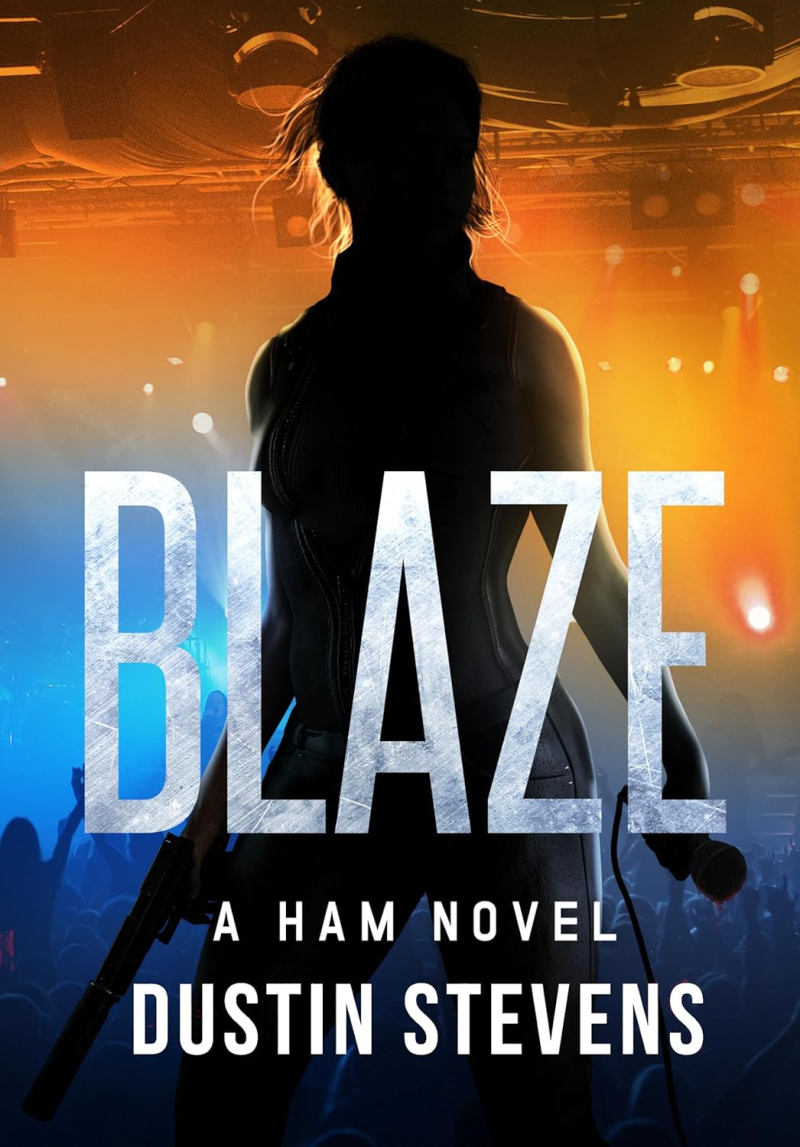
My all-time favorite Elton John song. Loved this one and still do.
Father, only you know hearts and only you can mend them. Only you can save. Only You. In the Name of Jesus, Amen.
My all-time favorite Elton John song. Loved this one and still do.
Father, only you know hearts and only you can mend them. Only you can save. Only You. In the Name of Jesus, Amen.
Honor them. They gave it all.
Greater love has no one than this: to lay down one's life for one's friends. John 15:13 (NIV)
. . . As he neared Damascus on his journey, suddenly a light from heaven flashed around him. He fell to the ground and heard a voice say to him, "Saul, Saul, why do you persecute me?"
"Who are you, Lord?" Saul asked.
"I am Jesus, whom you are persecuting," He replied. "Now get up and go into the city, and you will be told what you must do."
The men traveling with Saul stood there speechless; they heard the sound but did not see anyone. Saul got up from the ground, but when he opened his eyes he could see nothing. So they led him by the hand into Damascus. For three days he was blind and did not eat or drink anything.
Acts 9:3-6 (NIV)
I recently read a one-star review where an apparent grammar-aficionado one-star reviewer declared he or she would never read another one of a particular author's books because that author used so many incomplete sentences – apparently leaving the reader unable to follow/identify whatever was happening in the story. I think my jaw actually dropped.
I actually like incomplete sentences and use them for random action/reaction/thoughts in my novels.
Another one-star reviewer of a Christian novel (a bestselling mostly 5-star review receiving book) claimed that the author's theology was in serious disagreement with this reader's and questioned the author's Christianity. Another jaw-dropper for me because I clearly and wholeheartedly disagreed with the reader's theological assessment of the events in this novel and wanted to combat everything written in the rather indignant review.
I share the author's views and depictions written in that novel and incorporate similar characterizations of spiritual events in my stories.
I've repeatedly written and said, the one-star reviews say more about the reviewer than they do about the book being reviewed. Not every novel we read is going to be one of our favorites. Not every story we take the time to read will, in our opinion, deserve a good review. However, the old cliche "One man's junk is another man's treasure" certainly applies to reading novels. So, readers, drop your moral crusades and, if you must write a review, just say the book wasn't meant for you, not your style, didn't care for it, instead of all the pointed criticisms that make you sound arrogant, smug, or mean-spirited.
And don't get me started on the ones who write that they just couldn't finish it. You don't finish a book? You shouldn't review it. Period.
Father, thank you for stories, novelists, books. Thank you for words and characters that fill the pages. Apart from you, we can do nothing. Help me to always honor you in my writing. In the Name of Jesus, Amen.
(Posted on September 15, 2011)
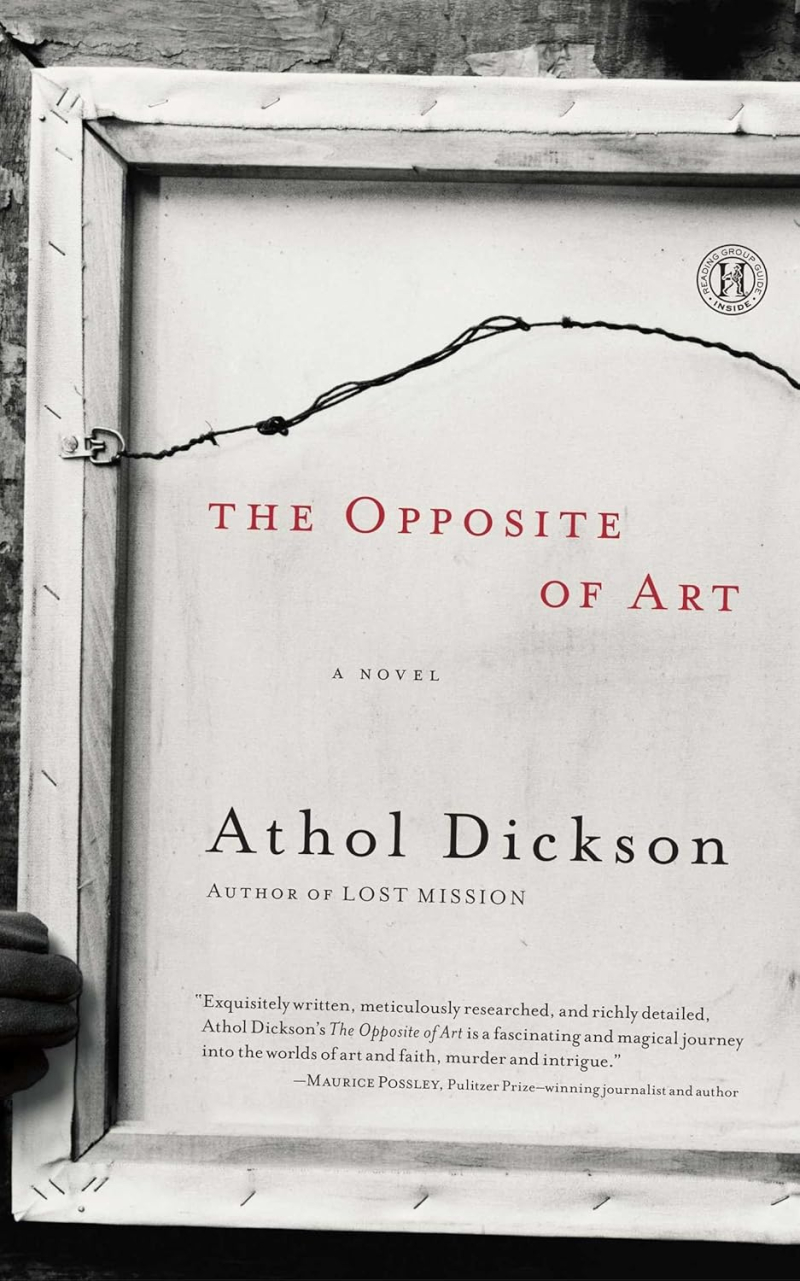
Finding . . . The Opposite of Art
One thing is for sure when you read an Athol Dickson novel: you won't be reading anything "ordinary". The Opposite of Art by Athol Dickson published by Howard Books, a division of Simon and Schuster, is no exception. A master at the newer genre classification of "magical realism", as you might expect by the term, the story wanders on a unique journey taking the reader to places and scenarios that challenge the imagination to keep up. Stuffed with symbolism and metaphor, it's an exposé in creative writing with a suggestion of purpose rather than a demand. Reminding me of David Athey's Danny Gospel, it does at times give one the sense of flashback to a drug-induced state . . . if you know what I mean.
We're introduced to Sheridan Ridler in his twenties, the cocky artist known just as Ridler to the world of art and Danny to the one he loves but pushes away with his demands, and we see a brash self-absorbed painter of nudes without faces. He doesn't "do faces". With successful siblings who gained his father's approval, Ridler's art seemed never to impress his dad, and he carries the defiance of rejection into his core being. The world embraces his work and even at his young age, he is quickly deemed a brilliant artist. According to Ridler himself, he "can paint anything". His explanation of why he doesn't paint faces epitomizes where his focus resides in his youthful state of mind.
When the one who truly inspires him walks out of his life, he realizes for the first time that she holds his heart and he chases after her but loses her in her Harlem neighborhood. Frustrated that he can't recall her address, he sees something in his artist's eye that draws him. As he pursues the image, he experiences a shocking event which sets the stage for and transforms the rest of the novel. Up to this experience, the story plays like a normal interpersonal conflict with an egotist and his girl falling apart without a deeper bond than their attraction to one another to cement them together.
Suffice it to say this event causes a cataclysmic change in the young artist and takes him on a journey to recapture the focus of what he experienced, but without his ability to suppress himself in his travels across the world's landscape, he never manages to advance in his core-persona, but he does manage to eliminate the requirements of religion without understanding why he must. Encountering a canvas filled with characters who are both kind and crazed, he continues to paint what he cannot fully grasp.
It's decidedly amazing to me that Athol can base an entire story on somewhat undesirable characters and pull it off. Honestly, I understood the 20-something Ridler a whole lot better than the Ridler-pilgrim who basically refused to see the obvious even when much later in his life it couldn't have been more plain. "Esperanza", the beautiful old woman – or was she? – made so much evident to him many times with her pointed questions and conversation if he would only listen and see. However, her prodding and hinting served to demonstrate the power of the human heart's resistance until it's truly ready to receive Truth.
Transporting the reader between reality and surreality, I was never quite sure if Ridler's often dreamlike state of existence gave us fact or fiction. Inside his perspective we explored the fantastical along with the deplorable, the mundane, the inexplicable, and the everyday. Both taxing and refreshing, this novel is an experience rather than a story. Exploring and examining the flawed hearts of man and his religions, we grow impatient with the obvious obstructions to the Truth. We're grateful for the conclusion in so many ways. "Magical realism" is not my favorite genre, reminding me of a form of contemporary fantasy of which I'm no fan. However, this novel is well worth the time it takes to invest in the experience of it.
There's some terrific and imaginative writing going on this novel mixed with incredible research and authenticity. I'm sure I missed some of the clever and intricate symbolism which extends to the title, but I gathered enough of it to be impressed. For those readers who enjoy something different, something that takes not only the protagonist but the reader on a strange journey through a maze of eerie experiences and almost laughable jaunts with characters, The Opposite of Art is the novel for you. For those of you who want an exercise in literary writing: The Opposite of Art is it. For those of you who want not just artsy prose but earthy language when exposing what drives a man's soul: The Opposite of Art gives you both profound and almost profane.
As a final sidenote, I'd love to see Johnny Depp play Ridler. He could give the role of Ridler the depth this character deserves.
Father, you've given multiple giftings to Athol, and he has chosen to honor you with all of them. Please help him to continue to share his discoveries in the stories he writes. In the Name of Jesus, Amen.
The Zombies with one of their hits featured on their 1968 album. They had some good ones.
Father, may each one you've gifted know the source of their gift(s). In the Name of Jesus, Amen.

When you start out pursuing a career in novel writing, are your dreams big, huge, mammoth? Or paltry, defeated, and miserable? Do you think all that you've studied will allow you to compose the words and stories to send readers into making rave reviews or cause them to toss the book unfinished into a pile to take to one of the giveaway bins in a charitable facility?
I would think people pursuing the challenge of writing fiction come in all variations ranging from physical stature and age to levels of education to social status to the gamut of dreamers or realistic hopefuls to etcetera, etcetera, etcetera. There's no telling what future storytellers might look like or be thinking.
It's a strange vocation to anticipate. If you've always wanted to write, chances are you've taken a lot of voyages on the pages of creation and finally decided upon a genre or perhaps multi-genres where you want to invest your time and energy creating. You have close associates with whom you can dare to share your efforts encouraging them to tell you "the truth" about what you've written. Do make sure they're true readers. If they give you a favorable report and ask for more, at least you know you've piqued an interest in your work. Use it as encouragement, assuming you respect their opinions.
The usual types of novice writers are either stars-in-their-eyes raging optimists or teary-eyed-never-will-make it pessimists or those who think they're realists in their expectations and will attribute their success on how hard they're willing to work. Well, my perspective is this: If you have somehow acquired strong connections in the publishing industry (traditional or otherwise), have successful authors willing to mention/recommend you and your work, and have a knack for marketing, you increase your chances for "success" enormously. And realize there are exceptions to every rule, every recommendation, suggestion, demand, etcetera, etcetera, etcetera.
Most importantly: Keep writing. Until you are satisfied.
Father, you give the talents and gifts. Contrary to what most people think, apart from you, we can do nothing. Thank you for every story you've given me. I know apart from you, I can do nothing. In the Name of Jesus, Amen.
I put this in human terms because you are weak in your natural selves. Just as you used to offer the parts of your body in slavery to impurity and to ever-increasing wickedness, so now offer them in slavery to righteousness leading to holiness. When you were slaves to sin, you were free from the control of righteousness. What benefit did you reap at that time from the things you are now ashamed of? Those things result in death! But now that you have been set free from sin and have become slaves to God, the benefit you reap leads to holiness, and the result is eternal life. For the wages of sin is death, but the gift of God is eternal life in Christ Jesus our Lord.
Romans 6:19-23 (NIV)
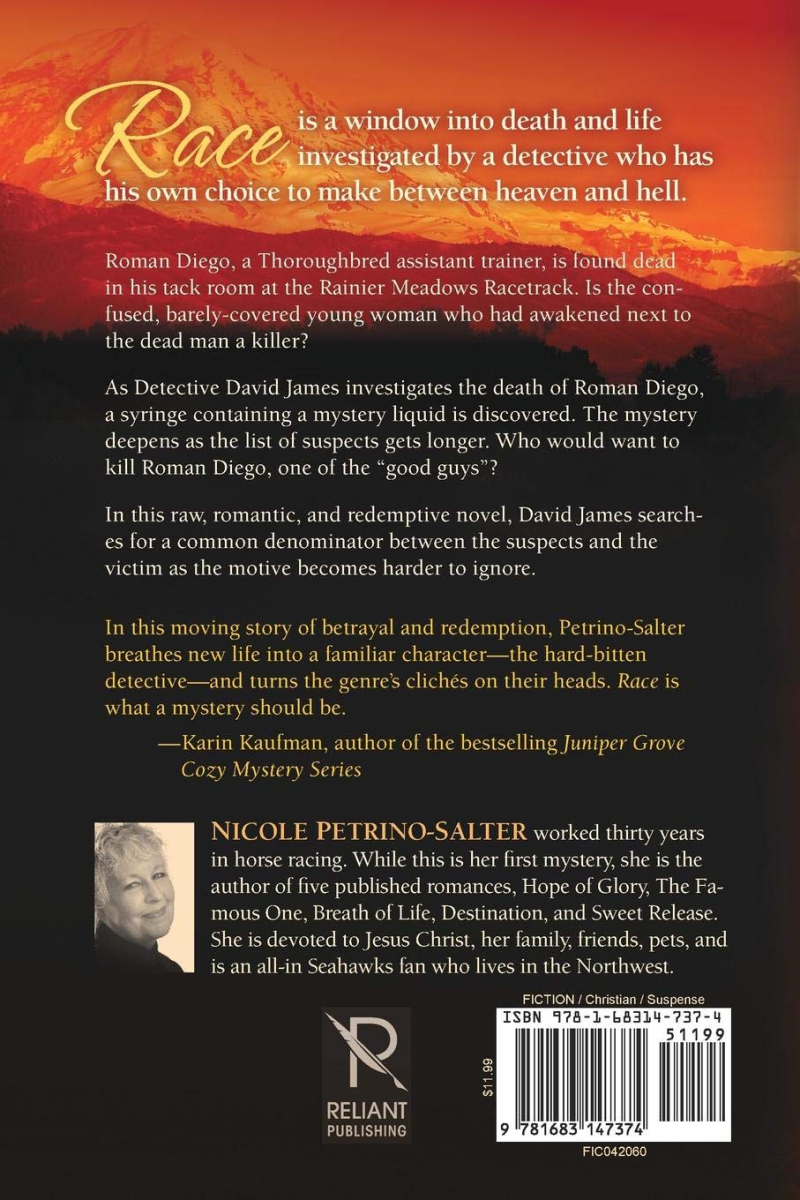
Thank you, author Karin Kaufman. So much. My one and only mystery. Race.
Father, thank you for putting Karin in my life. Please bless her and keep her safe from all harm. And, Lord, give her the words she needs to write those stories you have just for her to tell. In the Name of Jesus, Amen.