We often get in discussions with fellow readers over certain aspects of the novels we read and write. If we're the author of the object of conversation, we're kind of suspect in our responses because of course we're prejudiced on our behalf. We like our novels and want to defend them. We want the reader to understand why we made those specific writing choices. It matters to us if we succeed or fail. The truth is, more often than not, we will do both.
As a reader, liking a story does not automatically insure we will like the writing used to tell it. Loving the writing does not guarantee we will like a story. Sometimes we tolerate that which we don't like in order to relish that which we do. This has happened to me on a few occasions, one way or the other.
And just because we spot what we consider weaknesses in a book doesn't necessarily mean we don't like it. Let me give you an example from my reading. Chris Fabry's first adult novel, having been a multi-published author of children's fiction, is Dogwood. I loved this book. I mean I loved it. However, that doesn't mean I saw no flaws or that it was perfect. In fact, the bad guy in law enforcement was the stereotypical bad guy in law enforcement. And I, to this day, still can't decide if I liked the ending. Most of the time I don't. But I love the book, recommend it and Chris Fabry to anyone who appreciates lovely and meaningful writing.
So. I must confess it hurts to hear what readers consider a weakness in my writing. That thick skin I'm supposed to adorn over this onion skin, barely layered over my emotional makeup, will not show up, grow, or cannot be conjured into existence no matter how much effort I make to manufacture it. Just a fact.
To illustrate my point, I'm going to share a few weaknesses in Breath of Life according to a couple of respected female readers who took the time to read the novel:
First of all, the relationship between the hero and heroine was not enough to sustain the story.
The story ended abruptly. These readers wanted more information about and reactions to the climactic event.
Valued opinions, and, yeah okay. Of course I can defend my decisions to do the story the way I did it, but my defense doesn't really matter because it doesn't change how they felt about the book.
Now from the other side, those who really enjoyed the story had zero complaints. One male reviewer gave it a stunning review and made no mention of these weaknesses.
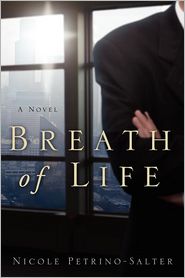
The point in recognizing weaknesses is whether or not they resonate with who you hoped to reach and/or entertain with your story. If you fail your target audience, then those weaknesses will be a factor when another of your books is considered for reading. And if the weaknesses resonate with you as the writer after getting over the gut-punch reaction, then you can use that commentary to avoid similar weaknesses in your next effort.
Or at least try to . . .
God, thank you for every story. Help me tell them how you want me to. Help me honor you with my efforts. In the Name of Jesus, Amen.


 Into the Fire
Leave a reply to Brenda Anderson Cancel reply