Two words that provide amazing exhilaration when scrawled upon the final page of a manuscript – be it longhand or via keyboard. A solid table slam. Or tears. A shout. Or a deep inhalation. Those two words bring all kinds of responses from authors and readers.

A common reaction to the end of The Famous One elicited tears from almost everyone who read the novel, and that includes the male readers.
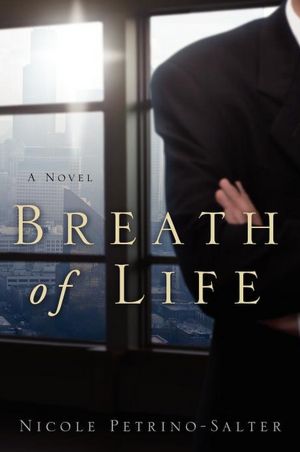
The responses to the end of Breath of Life brought mixed reactions from various readers. Some were saddened for reasons I can't tell because of spoilers to the story, and others reacted to the seeming abrupt conclusion. As the author, I can explain the ending, but I can't change the reaction to it. What I might say could soften a negative response but not necessarily.
The question remains concerning endings. Is a strong reaction a good thing? Yes and no. If the ending causes the reader to immediately dislike the story, perhaps the author gambled and lost. If the ending causes the reader to wish it could've been different for the characters but the reader understands the conclusion, then it could be said the author was successful in creating a realistic ending. If the ending is "too good to be true", that might annoy some readers and please others.
Authors must decide what they think truly fits the story. Whether the ending is vague, pleasant, sorrowful, or happy, it must work with the characters and situations. It must retain the validity of leading the sum total of the story to its viable conclusion. And that choice remains with the author.
Father, thank you for inspiration. Those of us who write to honor you know where any and all talent and gifting originate. Again and again I say: Apart from you, I can do nothing. In the Name of Jesus, Amen.


 Into the Fire
Leave a reply to Brenda Anderson Cancel reply