Into the Fire

Passionate thoughts about the world of writing and the Power of God

                 The-truth-shall-set-you-free

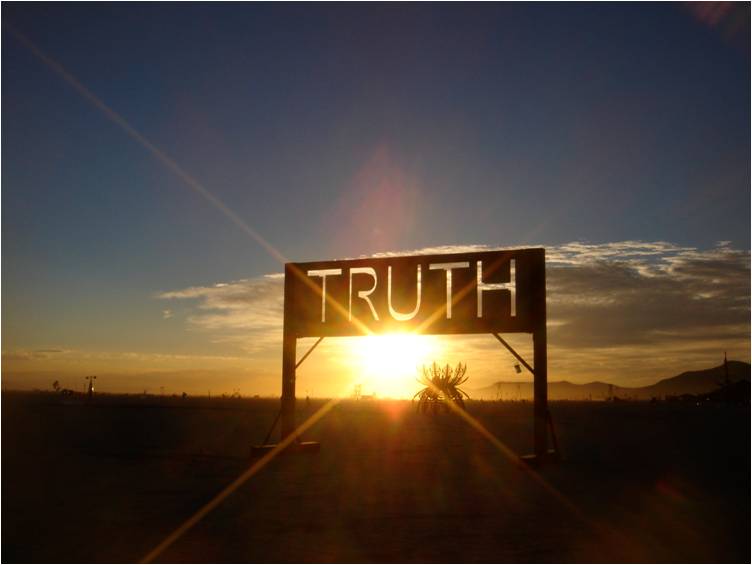
We don't immediately associate fiction with truth. After all, a novel tells a story, a product of an author's imagination. And, yes, within the genres of sci-fi and fantasy, we don't anticipate taking part in "truth", but the reality of a story is its ability to demonstrate truth without necessarily giving a factual account. 

Truth in fiction is shown in character portrayals enabling readers to identify personalities, traits, or attitudes they recognize or experience in themselves. Locations, either created or actual, bring readers to someplace they might consider familiar, perhaps evoking memories of home, events, reactions, or treasured trips.

I suspect what makes fiction so popular is not always the release or escape into story, but the fact that the truth within a novel makes that story more real, more engaging, and more meaningful to a reader. I know that's the reality for me.


Jesus, you are the Truth that leads us to our Father. Thank you for Truth in its purest, sinless form. Help us to relay who you are to those who don't know you. In the Name of Jesus, Amen. 

Posted in

4 responses to “Truth in Fiction”

  1. Brenda S. Anderson Avatar

    “Yes!” to your statement, “…what makes fiction so popular is not always the release or escape into story, but the fact that the truth within a novel makes that story more real, more engaging, and more meaningful to a reader.” For me, the more authentic the story comes across, the more I’ll not only enjoy it, but get something deeper from it. Even well-written spec-fiction comes across as real & identifiable.
    So yes, the stories have to ring true.

    Like

  2. Nicole Petrino-Salter Avatar

    Agreed on all counts, Bren. That “deep” experience within a story/from a story makes the novel so much more valuable to us.

    Like

  3. Ken Kuehne Avatar
    Ken Kuehne

    Books like ‘The Lord Of The Rings’ series, weave a rich tapestry of awe inspiring fantastical vistas overlooking incredible locations. Recognizable characters wander through these exotic places on their quest to find others to assist them on their journey. Some of the those they meet may not even be human, but Elfin, or Hobbit, or Goblin or Dwarf. All if them instantly recognizable to us for their personality traits. Some are noble while others are traitorous. Some afraid but also brave and adventurous. Some selfish, vile and deadly. But all of them recognizable to us in some way.
    We follow them, we participate in their interactions with those they meet. We see them for the kind of creatures they are, and they reveal to us the depth of their character or lack thereof. We watch them live and die, and we either grieve or rejoice in their passing. We learn from them. Within their stories we discover the truth of our own human condition, even though those we follow on their path may not be human. They teach us how to live, and in many cases how not to. They teach us the importance of friends, and family, of God, and service to our king.
    We care about what happens to them. We celebrate their survival at journey’s end after having come so far from where they started, and having experienced so much suffering, and tragedy, and gain, and loss. When they arrive at their destination, we are captivated by the awful and terrible choices they must make to complete their goal. And once they return home, we rejoice in their homecoming and their eventual final reward. We weep in joy for their new destiny. And once the book is closed, we remember them for the people they were, and for how much they taught us along the way.

    Like

  4. Nicole Petrino-Salter Avatar

    Touché and Amen, Ken.

    Like

Leave a reply to Brenda S. Anderson Cancel reply