Into the Fire

Passionate thoughts about the world of writing and the Power of God

        1_NBW-fBvLlo27HlLUzx6inw

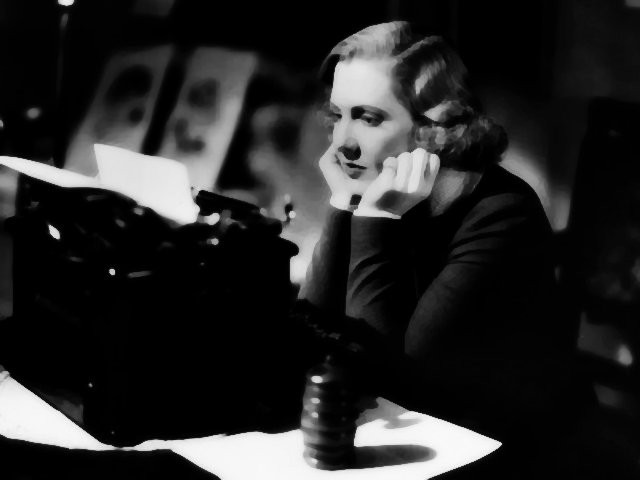
Interpretations for this photograph range from mild frustration at the inactivity of the creative urges to the dutiful reading over of what has just been written. And wherever your mind might take you to put yourself inside the skin of this woman in the picture.

And that's the supreme job of an author: to take you inside the created characters for you to identify with the emotional makeup of one to the utter repulsion of the worst side of you – to someone, even at your worst, you could never become. 

A good novel will make you feel. The utter failure of a novel will be when it's tossed aside and makes you, the reader, wish you'd spent your time elsewhere. The amazing thing about either of those feelings is that they will be shared by many and disdained by many others. Very few times do most readers agree that a story is excellent or appalling. But clearly the diverse opinions will cover those ratings and everything in between.

So, again, I ask: What do you want from your novel reading?


Father, thank you for writing and writers, for emotional reactions and for the depth of feelings books can produce. Thank you for allowing me to write the stories you've given me. I ask that you would keep them coming. In the Name of Jesus, Amen. 

Posted in

5 responses to “Thursday Thoughts . . .”

  1. Brenda S. Anderson Avatar

    Intelligence. If I find myself rolling my eyes at characters’ behaviors, that will turn me off quicker than anything. And supposedly smart heroines who repeatedly do the same thing and then get in trouble for it, I have zero empathy for them. 😀

    Like

  2. Debra Avatar
    Debra

    I want
    . great writing – I want to think “What a great way to say that.”
    . great story – I want to have a hard time putting it down.
    . great characters – They don’t have to be perfect, but they need to be real. I have done some very stupid things. So if someone is going to do something stupid, I want to know what he or she is thinking.

    Like

  3. Nicole Petrino-Salter Avatar

    Bren and Deb, these are terrific responses, and I thoroughly agree.
    I don’t know if I hold a “higher” standard for women in any kind of role that requires discipline, law enforcement, soldiers, spies, but when they do the “stupid” things or fail to communicate well, I find them particularly annoying. And I do appreciate the “stupid things” we do having a clear thought process that maybe won’t excuse them but certainly makes that “stupidity” at least “understandable”.
    May I add “honesty”. I literally cannot stand grown people hiding their feelings when any normal person makes their feelings known without having a degree in body language. C’mon, just communicate, okay? Having said that, I mean when they should and they don’t about those “stupid things” again. We all fail to communicate at times when it’s too difficult, will expose us when we’re not ready, etc., but in obvious things: just spit it out. ‘K?
    Thank you both for your great answers.

    Like

  4. Debra Avatar
    Debra

    Yeah, the characters need to realize they did something stupid!
    Here are reasons I have been unable to finish a novel:
    – The situations and characters just got more stupid as it went along.
    – There were too many lame, forced conversations.
    – There was a 4-year-old who couldn’t pronounce “r” words yet, and that just got annoying.
    – After 101 pages, almost nothing had happened. Extremely repetitive, just filled with people’s rambling thoughts.
    – too much medical jargon; not that well written – obvious, “well duh” situations
    – way too much time explaining what happened in the first book and way too much time saying “the kids had no idea”
    – The thoughts of the general contractor were just information dumps
    – The man and woman constantly mad at each other was overdone.
    – The author was unsuccessful in trying to be funny.
    – There were lots of cliches, and “trying too hard” phrases to make ordinary things like drinking coffee sound interesting. The thoughts and dialogue were sometimes disjointed. The thoughts of main characters were used to explain everything.
    – Too much action and explaining.
    – The writing just didn’t cut it
    – started out interesting, then seemed predictable
    – Scenes were repeated – one character would be remembering an incident and then another character would remember it too.
    – amateur sentences
    – too hokey
    – not interesting This was almost always the reason I couldn’t finish a novel.

    Like

  5. Nicole Petrino-Salter Avatar

    You know I think we can almost stomach the many pages “where nothing happened” IF the writing leads us to something meaningful – and that writing has to be exceptional and with promise to do that.
    Repetitive is annoying although I understand the intent to see it through another character’s viewpoint. However, that only goes so far.
    “too hokey” is a killer.
    I started a book once about a genuinely sympathetic-inducing situation, but somehow it couldn’t generate that sympathy. I didn’t get but a few pages in and moved on.
    Cliches can be inevitable, but we hope to use/recognize them as just that.
    Struggling to find a new (aka interesting, haunting, beautiful) but truthful way to describe/say something is the genuine author struggle.
    Hate “predictable” in relationship conflicts. (The average romance novels.)
    Coffee has become a trendy tool. I’ve used it myself. One of my unpublished novels (Wounds . . . and Healings) opens in a coffee shop. The owner is the heroine, but since I don’t like or drink coffee, I mostly made it about the atmosphere, the people, and the branching relationships formed in that environment.
    Thanks for a great and meaningful list, Deb.

    Like

Leave a reply to Brenda S. Anderson Cancel reply